August 18, 2026
Auto body shops play an important role in the car insurance claims process by helping connect vehicle owners with insurance companies after an accident. Their responsibilities extend beyond repairing visible damage, as experienced technicians also inspect vehicles, prepare estimates, document necessary repairs, and communicate with insurance representatives. These steps help policyholders better understand what their insurance may cover while giving insurers the information needed to evaluate a claim. A professional repair facility can also identify damage that may not be immediately visible following a collision. By combining technical expertise with organized documentation and clear communication, repair professionals can help make the transition from an accident to a restored vehicle more manageable.
Understanding the Insurance Claims Process
The insurance claims process generally begins when a policyholder reports an accident to the insurance company. Drivers may need to provide information such as the date and location of the collision, descriptions of what occurred, photographs, police reports, and contact information for other involved parties. The insurer reviews these details and determines which portions of the loss may be covered under the policy. Depending on the circumstances, an insurance adjuster may also inspect the vehicle or review photographs and estimates supplied by a repair facility.
Accurate documentation is essential throughout this process because incomplete information can contribute to delays. Repair estimates, photographs, invoices, and detailed descriptions of damaged components can help insurers understand the extent of the work that may be necessary. Auto body shops frequently assist customers by organizing repair-related information in a format that insurance companies can evaluate efficiently. Their familiarity with common insurance procedures can reduce confusion for vehicle owners who may be filing a collision claim for the first time.
Identifying the Full Extent of Vehicle Damage
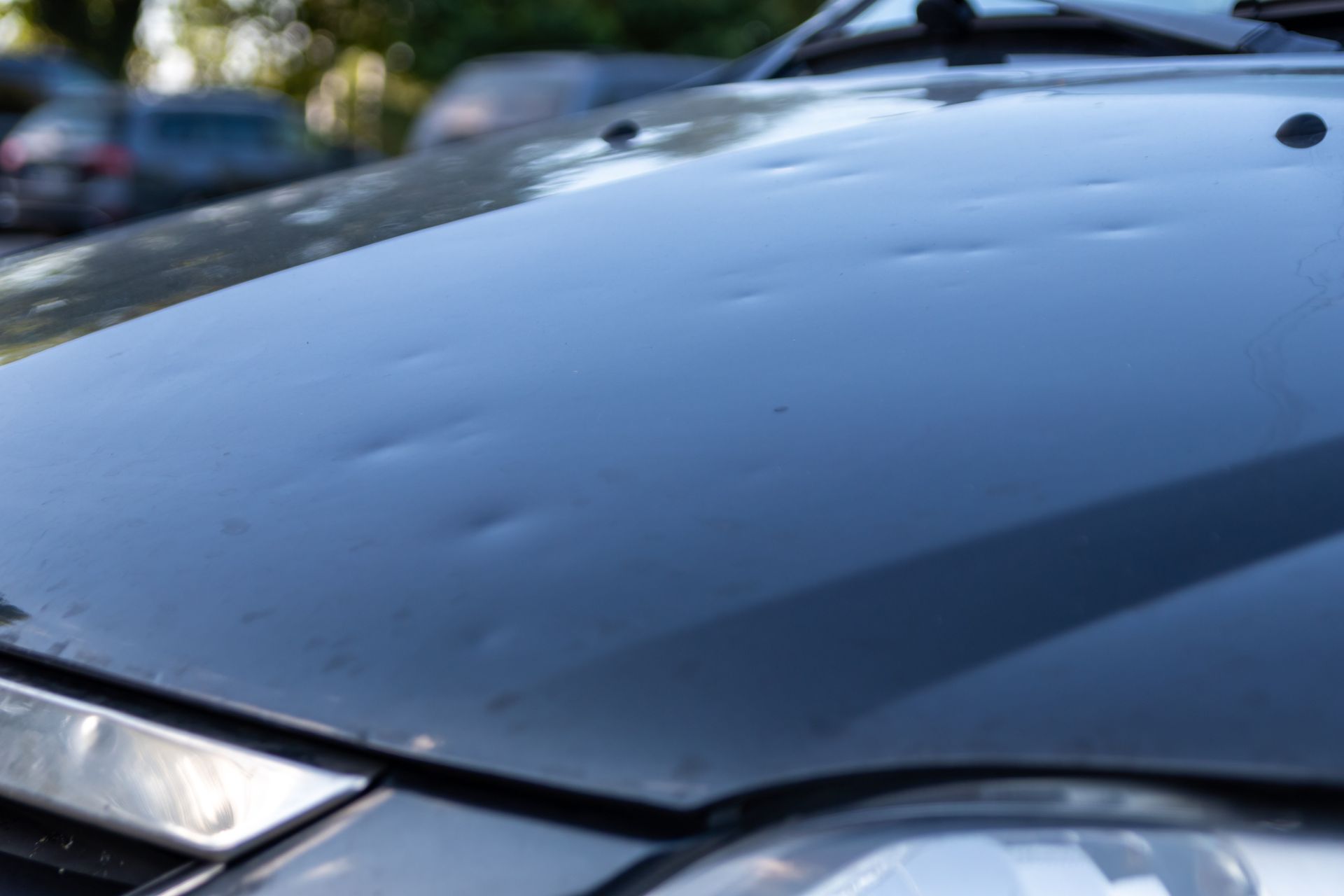
One of the first steps after a damaged vehicle arrives at a repair facility is a detailed inspection. Some collision damage is immediately noticeable, including dented panels, broken lights, cracked bumpers, or damaged glass. Other problems may remain hidden beneath exterior panels. Technicians may need to inspect mounting points, structural components, suspension systems, sensors, and other areas before determining the complete scope of repairs.
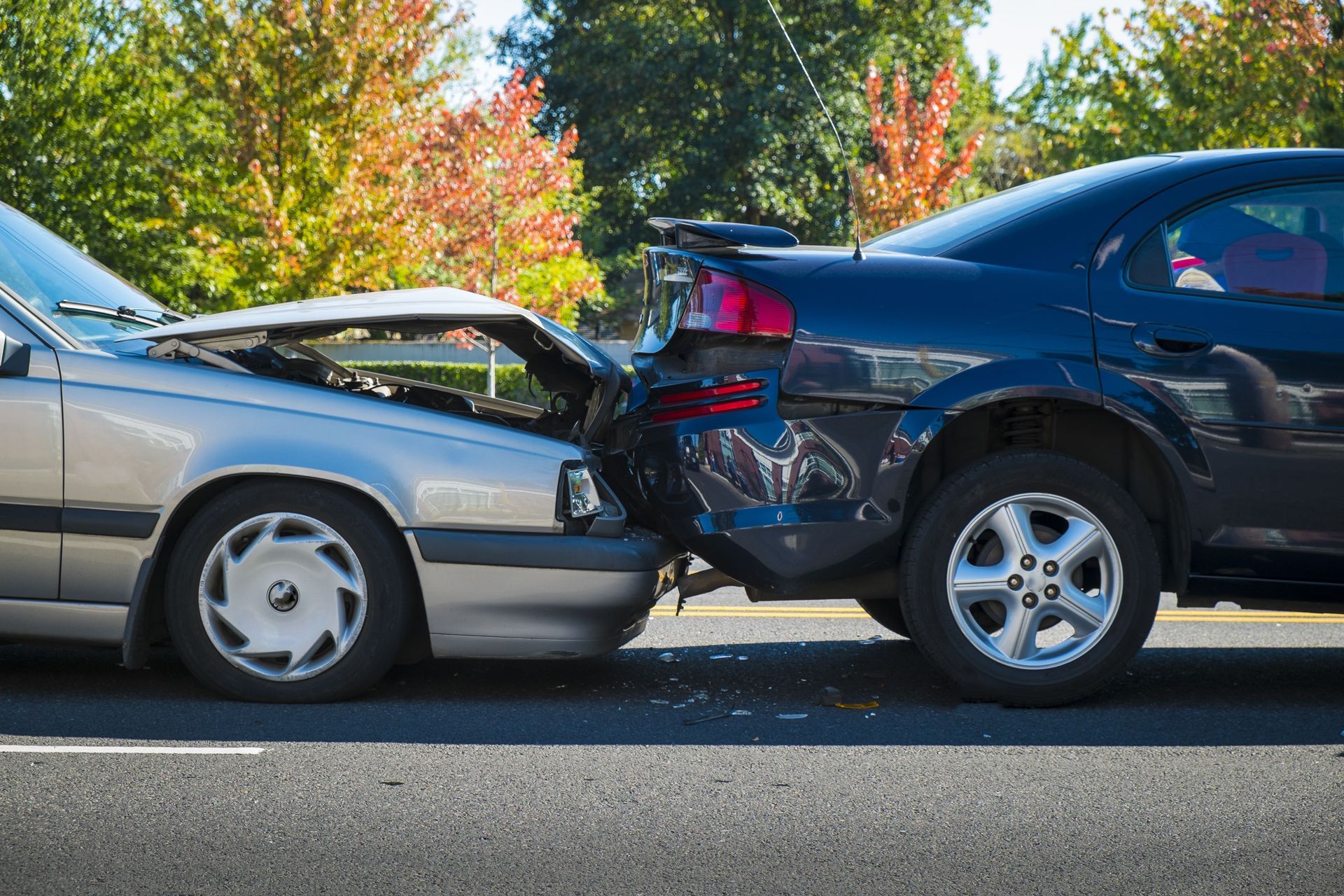
A thorough evaluation is especially important because an estimate based only on visible damage may overlook problems discovered during disassembly. According to Amica Insurance, approximately 1.7 million rear-end collisions occur in the United States each year, demonstrating how frequently vehicles may require professional evaluation following an impact. Experienced auto body shops use measuring equipment, diagnostic technology, photographs, and technician observations to document damage and create detailed repair plans. This information can then be provided to the insurance company when determining appropriate coverage.
Preparing Accurate Repair Estimates
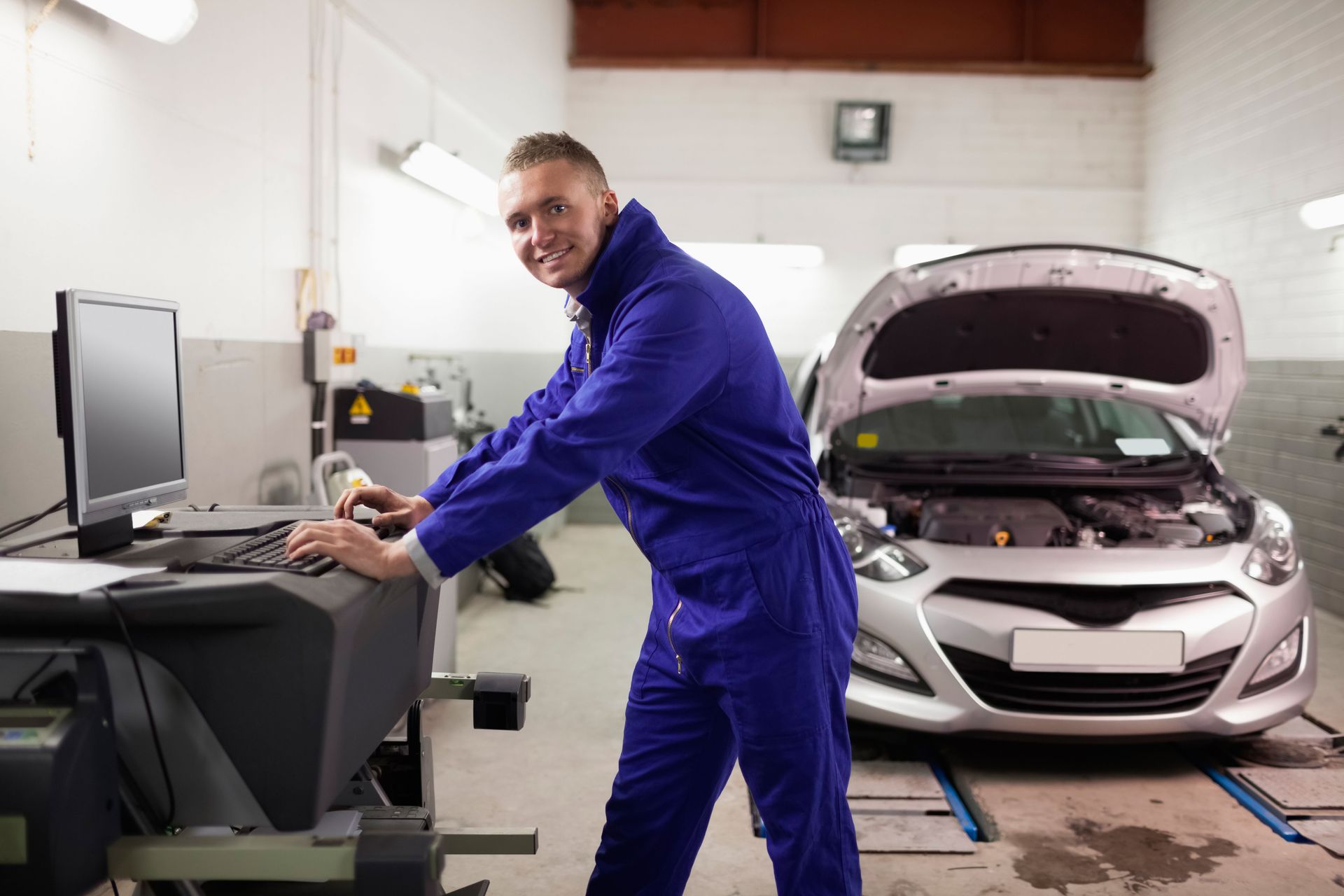
After inspecting the vehicle, repair professionals prepare an estimate describing the work required to return it to an appropriate condition. Estimates typically identify damaged components, anticipated labor, replacement parts, refinishing requirements, and other procedures associated with the repair. Modern estimating software can also help technicians calculate labor times and identify manufacturer procedures that may apply to specific vehicles.
Accurate estimates benefit both customers and insurers. Policyholders gain a clearer picture of the anticipated work, while insurance representatives receive documentation that can be reviewed against policy coverage and industry standards. If additional damage is discovered once repairs begin, the repair facility may prepare a supplemental estimate explaining why additional work is necessary. This structured approach can reduce disagreements and help ensure important repairs are not overlooked.
Communicating With Insurance Adjusters
Communication between the repair facility and insurance adjuster can significantly influence how efficiently a claim moves forward. Adjusters may ask for photographs, diagnostic information, measurements, parts documentation, or explanations regarding specific repair procedures. Repair professionals can respond to these questions using information gathered during the inspection and estimating process.
Auto body shops can also explain why particular repairs, parts, or procedures are necessary. For example, a damaged component may appear repairable from photographs but require replacement after closer examination. Technicians can document those findings and provide supporting information to an adjuster. Effective communication helps minimize misunderstandings while creating a written record of important decisions. Customers also benefit because they do not necessarily have to interpret complicated collision terminology themselves.
Managing Supplemental Damage
Not every collision-related problem becomes visible during the initial inspection. Once exterior components are removed, technicians may discover damaged brackets, reinforcement bars, wiring, sensors, structural components, or mounting points. These findings can change both the repair procedure and the estimated cost. A supplemental estimate allows previously unidentified damage to be documented and submitted to the insurer for additional review.
Properly documenting supplemental damage can prevent vehicle owners from unexpectedly assuming responsibility for covered repairs. Photographs, measurements, diagnostic results, and technician notes help explain why the original estimate requires adjustment. Experienced repair facilities understand that supplements are a normal part of many collision repairs rather than an indication that the original inspection was careless. Some damage simply cannot be confirmed until disassembly begins.
Supporting Quality Collision Repairs
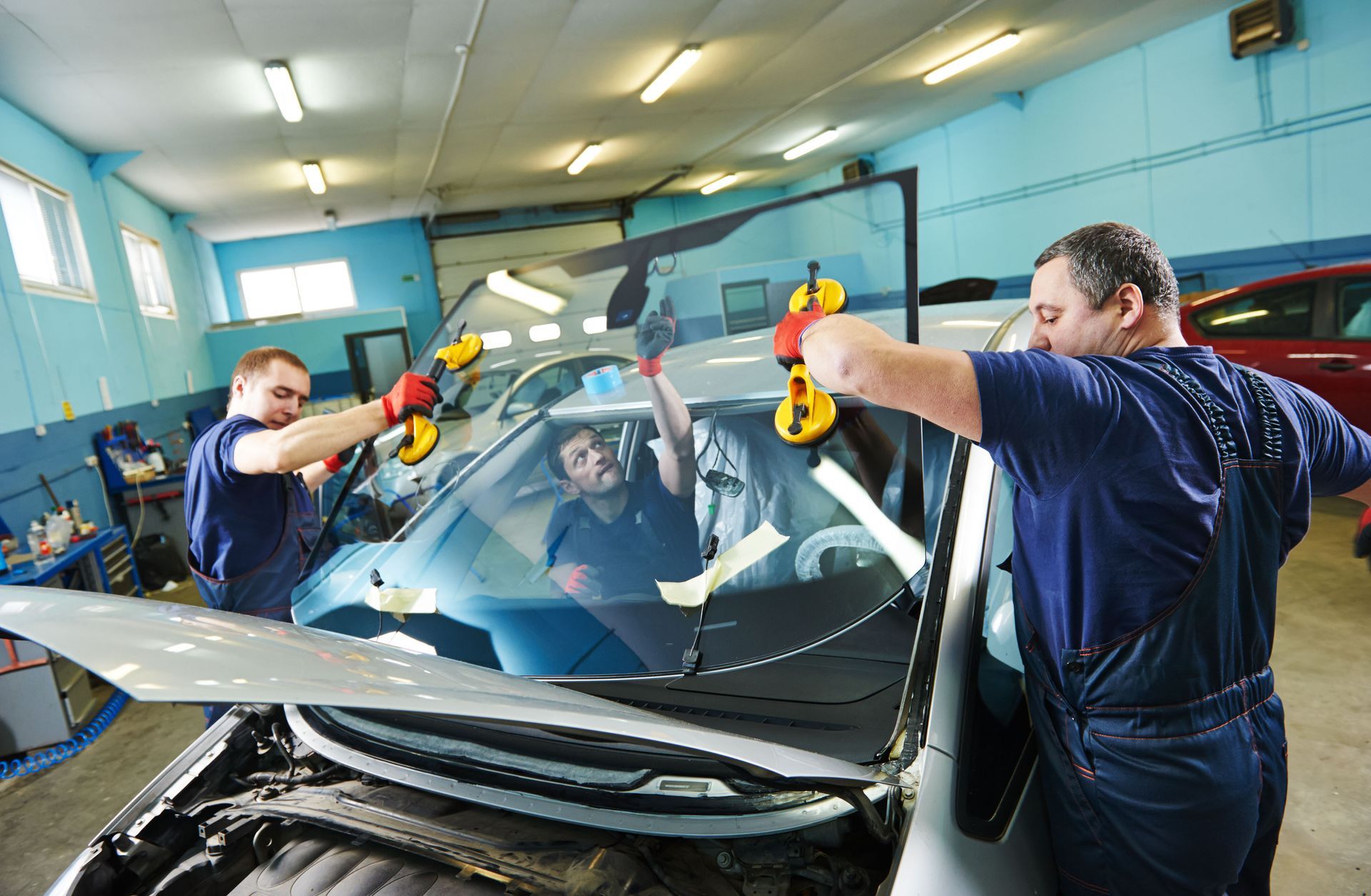
Insurance approval is only one part of restoring a damaged vehicle. The repair itself must also be performed carefully. Trained technicians may complete structural repairs, panel replacement, dent removal, refinishing, paint matching, glass replacement, calibration, and other procedures depending on the severity of the collision. Modern vehicles increasingly contain cameras, radar systems, sensors, and electronic safety equipment, making accurate repair procedures especially important.
Reputable auto body shops often reference manufacturer repair information when determining how certain components should be repaired or replaced. Manufacturer specifications may address welding methods, structural measurements, approved attachment techniques, corrosion protection, and calibration procedures. Following appropriate repair processes helps preserve vehicle performance and provides customers with greater confidence when returning to the road.
Balancing Repair Costs and Insurance Coverage
Cost management is another important element of the claims process. Estimates must account for labor, replacement components, refinishing materials, diagnostic procedures, and other necessary expenses. Insurance policies may contain deductibles, coverage limitations, or specific provisions that influence how much of the repair bill is covered. Understanding these distinctions helps customers prepare for potential out-of-pocket costs.
Repair facilities can provide detailed estimates showing how costs are distributed throughout the job. They may also communicate with insurers when disagreements arise regarding labor procedures, repair methods, or replacement parts. While the insurance company ultimately determines coverage according to the policy, clear documentation can help all parties understand why specific expenses appear on an estimate. Transparent pricing also gives customers an opportunity to ask questions before repairs proceed.
Keeping Customers Informed Throughout Repairs
Vehicle owners often experience uncertainty after a collision, particularly when they depend on their vehicle for work, family responsibilities, or daily transportation. Regular communication can make the repair process easier to understand. Customers may need information about insurance authorization, parts availability, supplemental estimates, anticipated completion dates, and any unexpected developments discovered during repairs.
Auto body shops that provide consistent updates help customers understand where their vehicle stands within the repair process. Clear communication is particularly valuable when delays occur because of backordered parts or additional insurance approvals. Rather than leaving customers unsure about progress, repair professionals can explain what has been completed and what must occur before the next stage can begin. This transparency can improve the overall customer experience during a stressful situation.
Auto body shops contribute much more than physical vehicle repairs during an insurance claim. They assist with inspections, estimates, documentation, supplemental damage, insurer communication, quality control, and customer updates. Their involvement can reduce confusion and create greater transparency throughout the repair process. Choosing an experienced facility gives vehicle owners access to knowledgeable professionals who can guide the repair from the initial assessment through final inspection, helping create a more organized transition from collision damage to a properly restored vehicle. Contact our team at James Auto Body & Glass Co Inc today and learn more about auto body services.