April 14, 2026
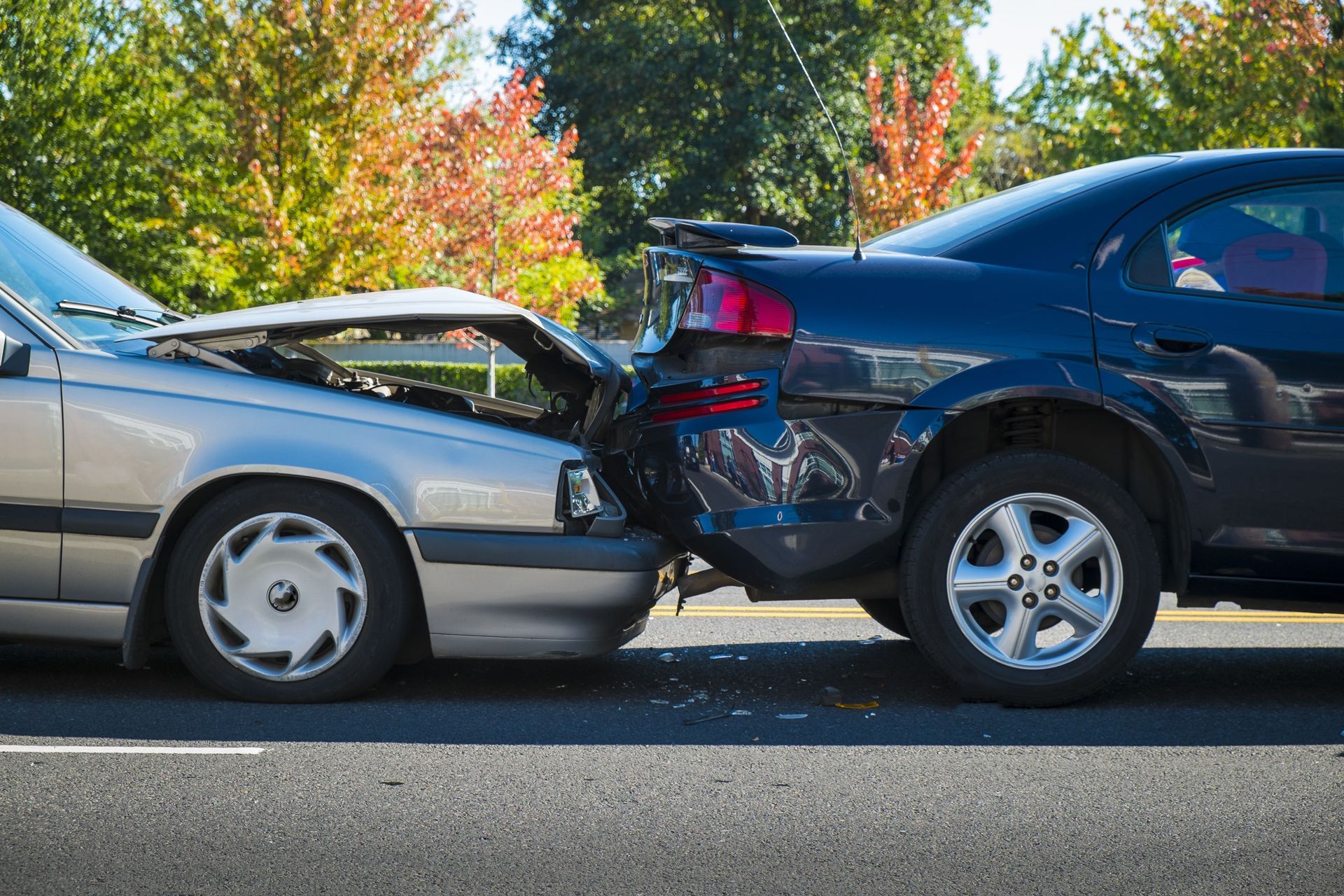
Car accidents can be stressful and potentially dangerous. How you respond immediately affects your safety, legal standing, and the efficiency of vehicle repairs. Taking the proper steps helps minimize risk and preserve evidence. Staying composed and methodical also reduces stress and ensures no crucial steps are overlooked. According to Gitnux, collision repair accounts for 16% of revenue. This highlights how often vehicles require professional attention after accidents and the role of auto body shops in restoring both function and value. Early professional involvement can prevent minor damage from becoming more serious and costly.
Assessing Personal Safety
The priority after a collision is personal safety. Evaluate yourself, passengers, and others involved for injuries. If anyone is hurt, immediately seek medical attention. Even seemingly minor injuries should be addressed promptly, as some symptoms can develop hours or days after the accident. Stress, shock, and adrenaline may mask certain injuries initially, making professional evaluation important.
If the accident occurs in a high-traffic area, move to a safe location if possible, while keeping the injured parties protected. Remaining calm and composed during this stage reduces the risk of additional accidents and allows for clearer decision-making. Safety assessment also includes checking for hazards such as leaking fluids, smoke, or fire risk from the vehicles involved. Documenting any immediate hazards can also help with insurance or legal claims later.
Contacting Authorities
After assessing safety, contact the appropriate authorities. Calling local law enforcement helps create an official record of the accident, which is valuable for insurance purposes and any potential legal proceedings. Timely reporting can also help prevent traffic congestion or further incidents at the scene.
Providing clear, accurate information to the authorities about the location, vehicles, and circumstances of the accident is important. Official documentation helps clarify liability and supports claims processing. A police report provides an impartial account of the incident and can prevent misunderstandings between the parties involved. Sharing information honestly and carefully with authorities also preserves your credibility during later claims or legal inquiries.
Documenting the Accident
Thorough documentation is critical after a collision. Take photographs of all vehicles involved, surrounding areas, and any visible damage. Note details such as the time, date, weather conditions, and road conditions. Comprehensive documentation strengthens insurance claims and protects your interests.
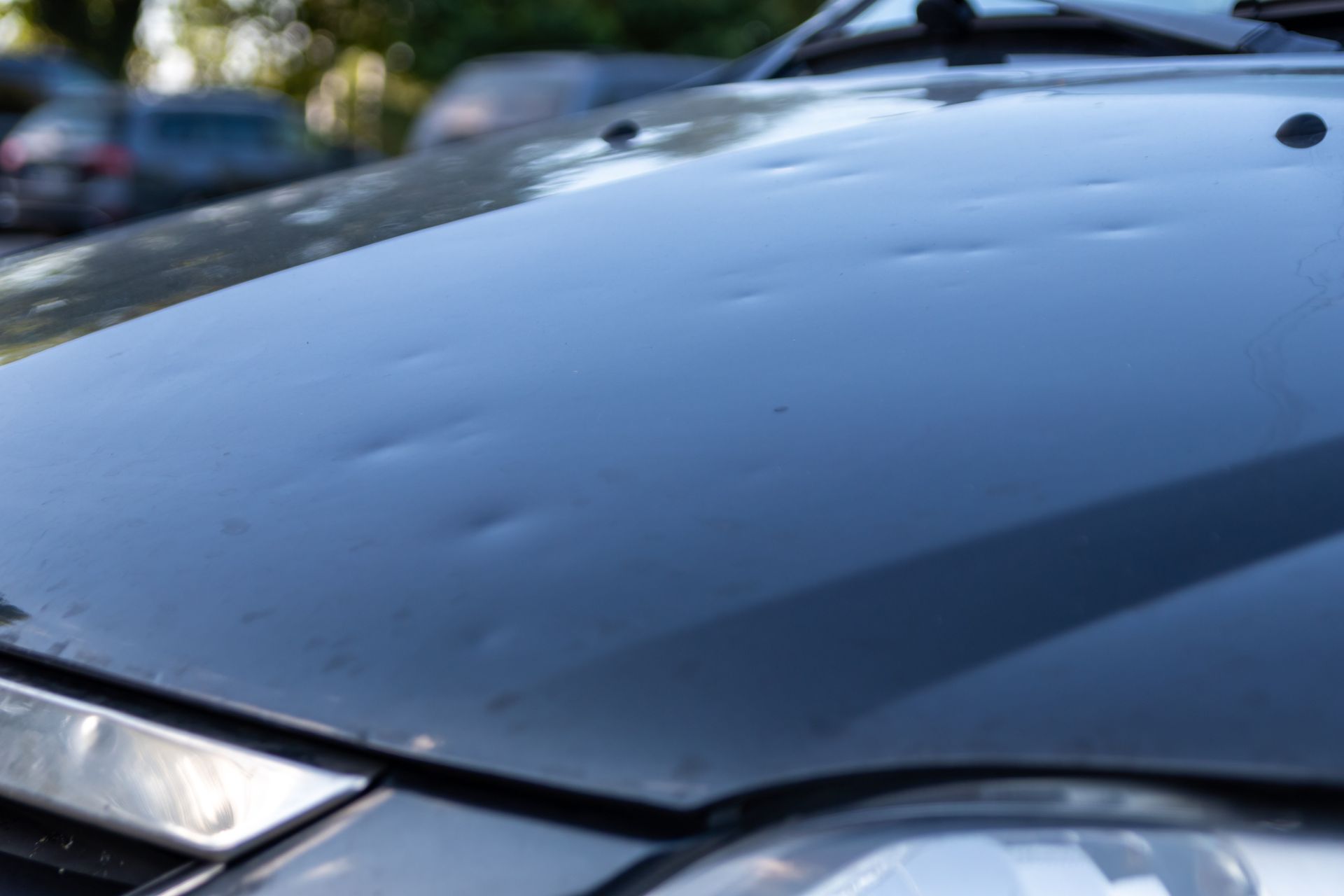
Recording witness contact information and statements can provide additional context for insurance or legal purposes. This documentation ensures that every aspect of the incident is accurately represented and helps prevent disputes during claims processing. Keeping detailed notes about how the accident occurred, including your observations of the scene, can also support communication with insurance providers and auto body shops. Documenting minor scratches or dents can prevent issues later if hidden damage becomes apparent.
Communicating with Other Drivers
Exchange contact and insurance information with other drivers involved. Maintain a calm and professional demeanor, avoiding arguments or admissions of fault. Professional communication reduces stress and improves the clarity of records.
Effective communication ensures that all parties have the necessary information for reporting purposes and helps prevent misunderstandings. Professional and courteous interaction can reduce stress and create a clearer record of the incident. Avoid discussing fault at the scene, as this is determined later by insurance companies or authorities. Ensuring all details are shared accurately at the moment can prevent delays or disputes later in the claims process.
Notifying Your Insurance Provider
Promptly notifying your insurance company is essential for timely claims processing. Provide accurate and complete information about the accident, including the documentation collected. Include any immediate concerns about safety or vehicle condition.
Insurance companies rely on detailed records to determine coverage and coordinate repairs. Clear communication during this step facilitates a smoother process and helps prevent delays in vehicle restoration. Reporting promptly also protects your eligibility for coverage and may assist in securing rental or alternative transportation if needed. Maintaining a record of all communications with your provider helps prevent misunderstandings or miscommunication during claims processing.
Evaluating Vehicle Damage
After reporting the incident, have your vehicle evaluated for damage. Visible issues may not reveal underlying structural or mechanical problems, which can affect safety and performance. Even minor fender benders can impact alignment, suspension, or frame integrity.
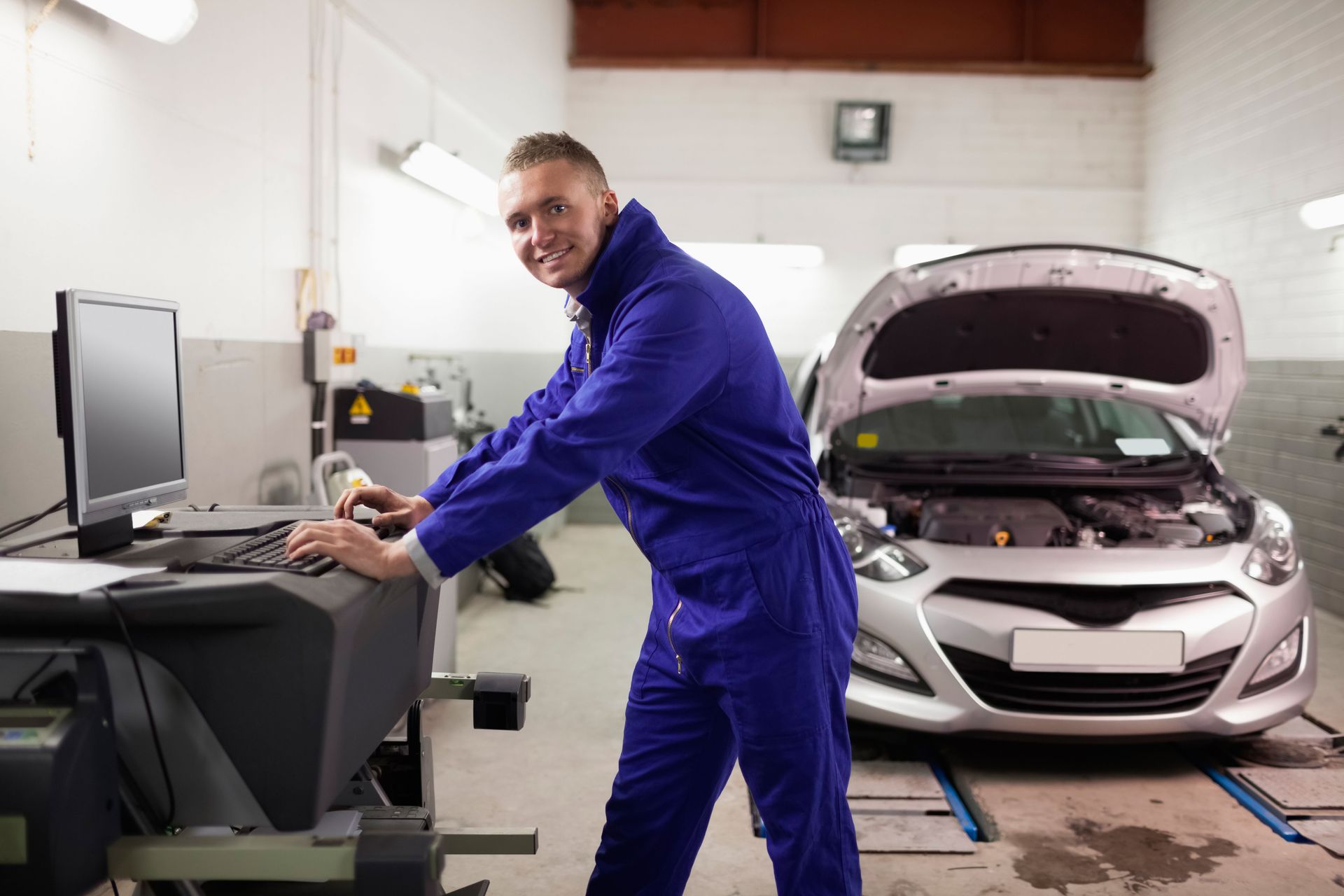
Auto body shops provide comprehensive inspections and repair planning to address all necessary repairs, restoring both safety and functionality. Collision repair accounts for a significant portion of automotive service revenue, highlighting the importance of professional evaluation. Early assessment helps prevent further complications and preserves your vehicle's long-term value.
Seeking Auto Body Shop Services
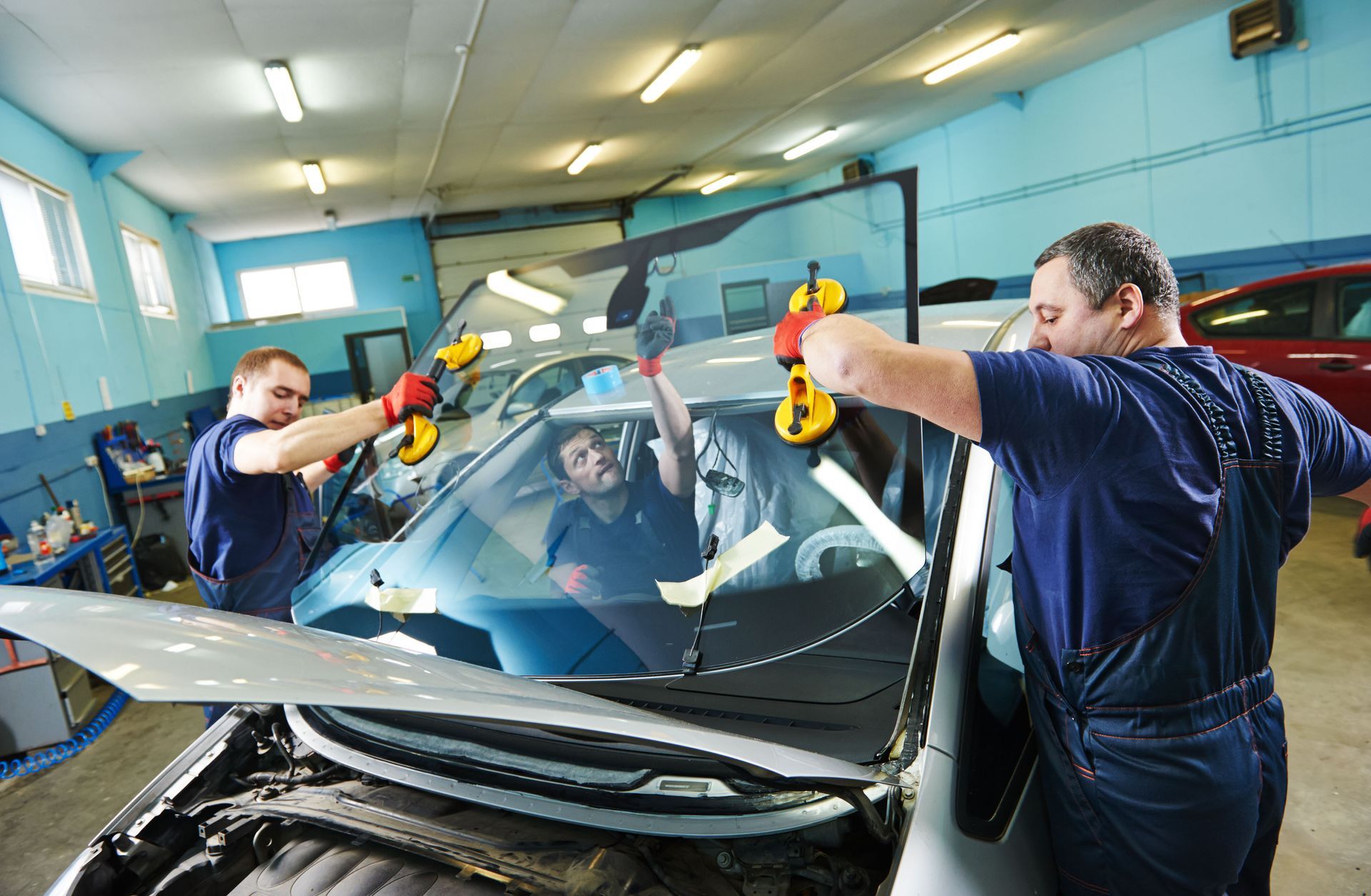
Engaging professional auto body shops is crucial for restoring your vehicle after a collision. These facilities provide repairs ranging from minor cosmetic fixes to extensive structural work. Professional shops have tools, training, and expertise to handle complex repair needs safely.
Professional services address both safety and aesthetics, ensuring vehicles are returned to optimal condition. Utilizing reputable auto body shops helps prevent future mechanical issues and maintains the vehicle's value. Technicians can identify hidden damage, provide precise repairs, and coordinate with insurance companies to streamline the process. Prompt professional service reduces downtime and minimizes the risk of subsequent mechanical failures.
Preserving Evidence for Claims
Keeping thorough records of the accident and any subsequent repairs supports insurance claims and potential legal actions. Retain receipts, invoices, and photographs from auto body shops documenting the work performed.
Evidence preservation ensures transparency and protects your interests throughout the claims process. Maintaining clear records can also expedite reimbursement for repairs, making the process more efficient and less stressful for vehicle owners. Accurate documentation demonstrates responsible handling of the incident and may prevent disputes with insurers or other parties. This includes keeping track of follow-up appointments, parts replaced, and any additional recommendations provided by the repair shop.
Following Up on Repairs
After initial repairs, schedule follow-ups with auto body shops to confirm that all work has been completed satisfactorily. Some issues may arise after the vehicle has been driven post-repair, and professional follow-up ensures these are addressed promptly. Scheduling periodic checks also helps identify potential hidden damage early.
Timely follow-up helps maintain vehicle safety and performance while providing peace of mind. Auto body shops can make adjustments or complete additional repairs as necessary, ensuring the vehicle meets safety and quality standards. Regular maintenance and inspection post-repair extend the lifespan of the vehicle and prevent further complications. Following professional recommendations after repair ensures optimal functioning and preserves warranty coverage for certain repairs.
Maintaining Safety and Compliance
Once your vehicle has been repaired, continue to prioritize safety and compliance. Adhere to maintenance schedules, monitor for warning signs, and address any concerns promptly. Safety checks should include brakes, lights, fluid levels, and tire condition.
Following safety recommendations ensures that your vehicle continues to operate reliably and reduces the likelihood of future accidents or mechanical failures. Compliance with safety standards and manufacturer guidelines helps protect both passengers and other drivers on the road, enhancing overall vehicle reliability. A proactive approach to post-repair maintenance also minimizes long-term repair costs and supports consistent vehicle performance.
Learning From the Incident
Reflecting on the accident can provide valuable lessons for future driving. Assess what led to the incident, review safety practices, and consider adjustments to reduce risk. Awareness of traffic patterns, defensive driving, and situational hazards can help prevent similar incidents.
Professional evaluations, both medical and mechanical, offer insights that guide safer driving habits and better vehicle maintenance. Applying lessons from the experience enhances road safety for yourself and others and supports better emergency preparedness, potentially reducing future insurance costs.
Car accidents require prompt, organized action to protect well-being, preserve evidence, and restore vehicles efficiently. Immediate steps help ensure a smooth process from the moment of collision to repair at auto body shops. To restore your vehicle safely and reliably, contact James Auto Body & Glass Co Inc today to help you get back on the road with confidence and peace of mind.