January 7, 2026
Regular car maintenance is crucial for ensuring vehicle safety, longevity, and optimal performance. Skipping these routine checks can have significant short-term and long-term impacts on various aspects of your vehicle and overall driving experience. It is important to recognize that maintenance goes beyond simple fixes and has far-reaching consequences for both individual car owners and broader environmental health. With a $116 billion market, according to Gitnux, the U.S. auto repair industry exemplifies the significance of ongoing vehicle maintenance. Neglecting essential services can lead to costly repairs and a decreased operational lifespan of vehicles.
1. Increased Risk of Mechanical Failures
1.1 Engine Problems
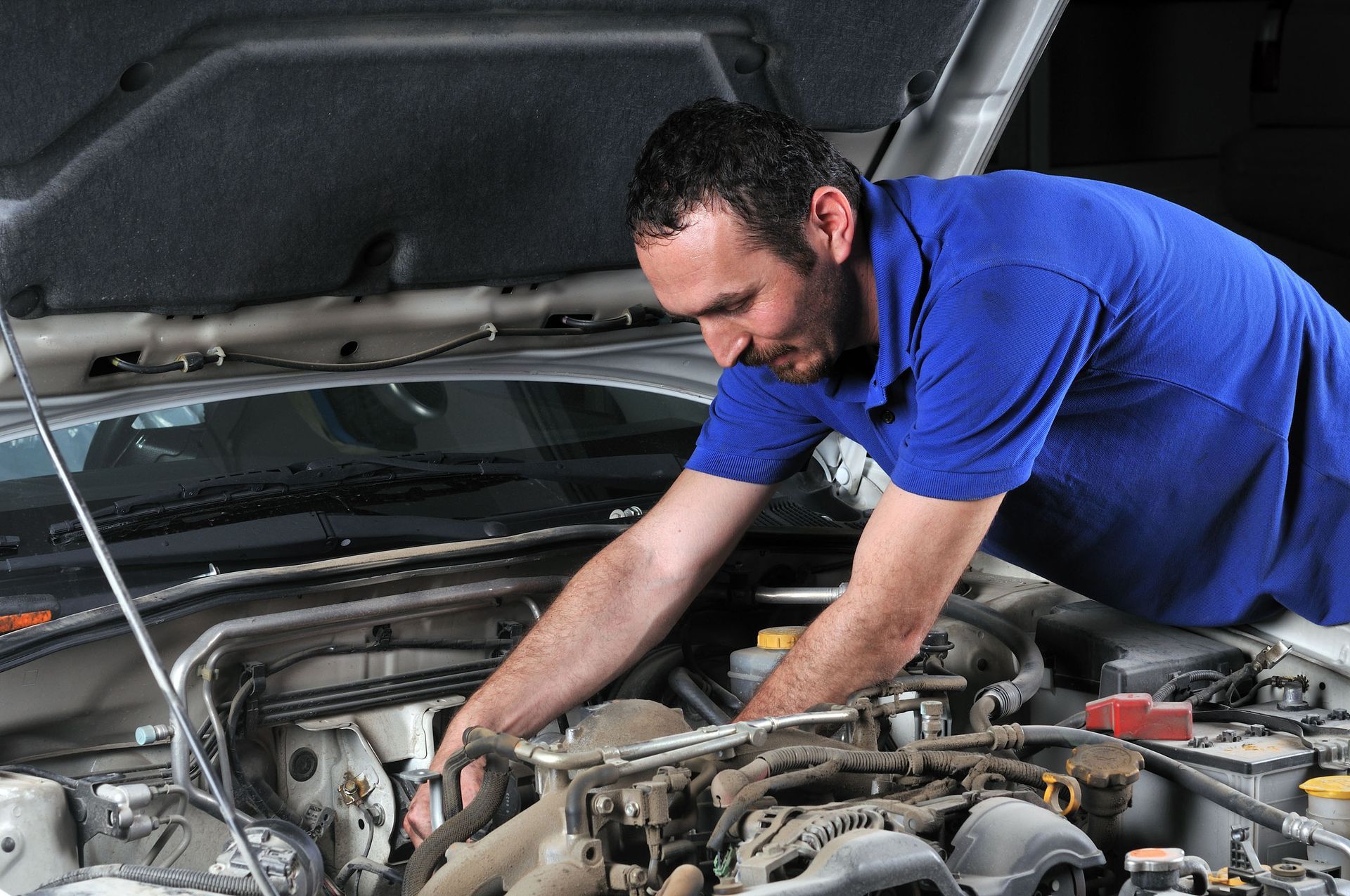
Neglecting regular engine maintenance can lead to a myriad of problems, ranging from reduced performance to complete engine failure. Routine oil changes are vital for lubricating the engine, preventing wear and tear on components. Without fresh oil, the engine parts can suffer from increased friction, leading to overheating and substantial damage. Moreover, skipping checks can cause buildup of contaminants, which may clog the engine and reduce its efficiency. The result is an engine that works harder and lasts much less compared to one that receives consistent care.
1.2 Brake System Failures
Brake system integrity is paramount for vehicle safety, and skipping inspections can have dire consequences. Brake wear is inevitable with use, but without regular inspections and maintenance, small issues can evolve into complete brake failure. This failure translates to not only increased stopping distances but also a heightened risk of accidents. Regular inspections help identify worn-out brake pads, which are crucial for maintaining braking efficiency and safety. Adequate brake maintenance ensures that the vehicle responds promptly to stopping demands, ensuring the safety of both drivers and pedestrians.
1.3 Transmission Issues
The transmission system is essential for transferring power from the engine to the wheels. Regular transmission fluid checks and changes are crucial for smooth operation. If neglected, transmission fluid can become contaminated or deteriorated, leading to inefficient operation or complete transmission failure. Ignoring these routine checks could result in the vehicle struggling to switch gears or a total breakdown of the transmission system. Over time, this neglect turns into costly repairs far exceeding the cost of regular maintenance.
1.4 Cooling System Malfunctions
The cooling system plays a critical role in preventing engine overheating. Regular checks of the radiator and related components ensure that the engine stays within the optimal temperature range. Neglecting these checks can cause the radiator to malfunction due to blockages or low coolant levels, resulting in overheating. Over time, excessive heat can damage engine components, leading to potential engine failure. Maintaining the cooling system not only extends the engine's life but also saves on costly repairs caused by overheating.
1.5 Electrical System Glitches
The electrical system powers essential components like the starter and alternator, and failure to maintain this system can lead to significant issues. Regular battery checks prevent power failures that can leave drivers stranded. Aging wiring or connections that are not maintained may cause electrical failures, impacting the vehicle's reliability. Keeping the electrical system in good order, including ensuring secure connections and clean battery terminals, is crucial for the overall performance of the car. Routine checks and maintenance help prevent glitches that often lead to expensive and inconvenient failures.
2. Decreased Fuel Efficiency
2.1 Tire Pressure and Alignment
Proper tire maintenance is essential for achieving optimal fuel efficiency. Under-inflated tires create increased rolling resistance, causing the engine to work harder and consume more fuel. Regularly checking tire pressure and ensuring proper alignment not only enhances fuel efficiency but also extends tire life. Misaligned tires can also result in uneven wear, further impacting fuel consumption. Ensuring tire health contributes significantly to maintaining vehicle efficiency and performance.
2.2 Air Filter Replacement
The air filter plays a critical role in maintaining efficient fuel combustion, impacting overall fuel efficiency. Clogged or dirty air filters restrict airflow to the engine, causing it to work harder and consume more fuel. Regular air filter replacements ensure the engine receives the optimal air-to-fuel ratio, improving combustion efficiency. This translates to not only better fuel economy but also enhanced power and performance. Neglecting air filter maintenance can lead to a significant drop in both power output and fuel efficiency over time.
2.3 Spark Plug Performance
Spark plugs are integral to the ignition system, and their performance directly affects fuel efficiency. Worn-out or fouled spark plugs can cause misfires, wasting fuel and reducing engine performance. Regular inspection and replacement of spark plugs ensure efficient combustion and improve mileage. Ignoring spark plug maintenance results in an inefficient fuel-use situation where more fuel is consumed for the same distance. Well-maintained spark plugs contribute to smoother operation and improved fuel economy.
2.4 Fuel System Cleaning
The fuel system must be kept clean to maintain optimal performance and fuel efficiency. Over time, contaminants can build up in the fuel injectors and other components, disrupting the proper flow of fuel. Regular cleaning and maintenance prevent these blockages, ensuring efficient fuel delivery and combustion. Cleaner systems enhance vehicle performance and can lead to noticeable improvements in fuel economy. Ignoring fuel system maintenance invites blockages that can drastically affect mileage and engine behavior.
2.5 Impact of Ignoring Emission Control
Emission control systems are crucial for reducing harmful pollutants and optimizing fuel use. Neglecting maintenance on these systems can cause increased emissions and decreased fuel economy. Catalytic converters, oxygen sensors, and other components need regular checks to function efficiently. Unaddressed issues in the emission system can lead to more pollution and higher fuel consumption. Keeping up with regular emissions maintenance supports environmental health and improves vehicle efficiency.
3. Higher Repair Costs Over Time
3.1 Early Detection of Issues
Regular maintenance acts as a diagnostic tool to catch issues before they escalate into major problems. Early detection allows for minor repairs rather than costly overhauls and replacements. Many systems, including engine, transmission, and brakes, benefit from early intervention. By addressing small issues promptly, vehicle owners can prevent extensive damage and prolonged garage time. This approach underscores the economic benefit of proactive maintenance over costly reactive repairs.
3.2 Impact of Component Wear and Tear
All vehicle components experience wear and tear, but neglect can accelerate deterioration. Regular inspections help keep track of component health, preventing unexpected failures. Unattended wear can result in compounded damage, affecting related systems and leading to significant repair costs. Investing in routine maintenance keeps parts in better condition for longer, reducing the likelihood of failure. Over time, this attention to wear and tear saves money and maintains vehicle reliability.
3.3 Cost-Benefit Analysis of Preventive Maintenance
Preventive maintenance costs are generally much lower than those associated with major repairs. Investing in routine care prolongs the functional life of vehicles, maximizing their resale value. The upfront costs of consistent maintenance are offset by savings from avoiding extensive repairs. Vehicle reliability and performance remain high when regular services are prioritized. This cost-benefit dynamic highlights the economic advantage of being proactive with vehicle upkeep.
Regular car maintenance is not merely a recommendation, but a necessity to ensure the optimal functioning, safety, and longevity of your vehicle. By understanding the potential consequences of neglect, car owners can make informed decisions to maintain their vehicles regularly, ultimately saving on costs, enhancing safety, and contributing to a cleaner environment. In a market as vast as the U.S. Auto Repair Industry, valued at $116 billion, the importance of continuous, diligent maintenance is clear. The investment in routine checks and minor repairs detracts significantly from the potential long-term cost implications of major failures. Owners subscribing to these practices will find not just personal financial benefits but also enjoy increased safety and a reduced ecological footprint. Be sure to reach out to James Auto Body & Glass Co Inc today for more information on our professional auto body services!